
Metal Pipe Reducer Manufacturer in the USA
- Home
- metal pipe reducer
Metal Pipe Reducer Manufacturer in the USA
Understanding Metal Pipe Reducers
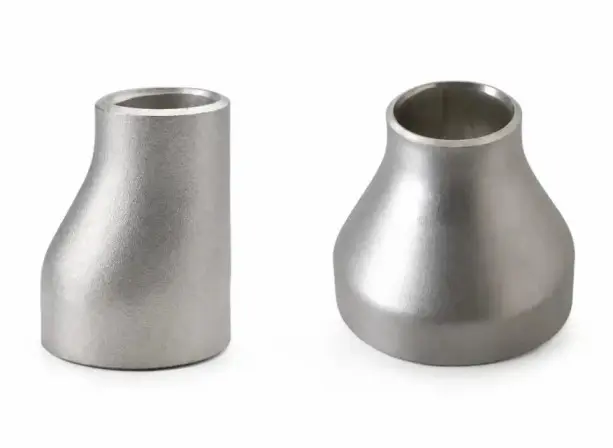
Concentric Reducer vs Eccentric Reducer
How to Choose.
Concentric Pipe Reducer
- Vertical pipe runs where gravity naturally prevents air pocket formation
- Gas-phase piping and vapor service where liquid accumulation is not a factor
- Vertical pump suction connections where centered flow into the impeller eye is essential
- Symmetrical equipment nozzle connections requiring centered pipe alignment
- Fire protection risers and vertical water supply mains
Eccentric Pipe Reducer
- Horizontal pump suction lines — installed flat-side-up (FOT) to prevent vapor accumulation and cavitation at the pump impeller
- Horizontal liquid-service piping — installed flat-side-down (FOB) to allow complete drainage and prevent liquid hold-up during shutdown
- Pipe rack installations — maintaining a consistent bottom-of-pipe (BOP) elevation across different pipe sizes for uniform structural support
- Slurry, viscous fluid, and solids-bearing lines — flat bottom prevents sediment trapping and blockage at the reducer transition
- Steam condensate return lines — flat-side-down to ensure proper condensate drainage and prevent water hammer
Quick Reference Comparison
| Factor | Concentric Reducer | Eccentric Reducer |
|---|---|---|
| Geometry | Symmetrical taper — shared centerline | Asymmetrical — one flat edge, offset centerline |
| Default Orientation | Vertical piping, gas service | Horizontal piping, liquid service |
| Air Pocket Prevention | Not addressed — not needed in vertical runs | Flat-on-top (FOT) eliminates air traps |
| Drainage | Not addressed — gravity handles in vertical runs | Flat-on-bottom (FOB) ensures complete drainage |
| Pump Suction (Horizontal) | Not recommended — creates air pocket risk | Required — FOT prevents cavitation |
| Pipe Rack BOP Alignment | Creates offset BOP between pipe sizes | Maintains flat BOP — uniform support elevation |
| Relative Cost | Standard | Slightly higher |
| Governing Standard | ASME B16.9 | ASME B16.9 |
Reducer Material Grades
Carbon Steel
ASTM A234 WPB (standard service), WPC, ASTM A420 WPL6 (low-temperature to -50°F). The workhorse material for general industrial piping, pipeline systems, structural connections, and utility services throughout the United States.
Stainless Steel
ASTM A403 WP304, WP304L, WP316, WP316L, WP321, WP347. Required wherever corrosion resistance, high-temperature oxidation resistance, or FDA-compliant hygienic properties are mandatory — petrochemical process lines, pharmaceutical WFI systems, food processing transfer piping, and marine environments.
Alloy Steel (Chrome-Moly)
ASTM A234 WP5, WP9, WP11, WP22, WP91. Purpose-built for elevated-temperature service exceeding 800°F — refinery heater outlet piping, power plant superheater headers, HRSG duct connections, and high-temperature reactor systems.
Duplex and Super Duplex Stainless Steel
UNS S31803 (2205) and UNS S32750 (2507). Combining high strength with excellent chloride-stress-corrosion resistance for offshore platform piping, subsea systems, desalination plants, and aggressive chemical service.
Low-Temperature Carbon Steel
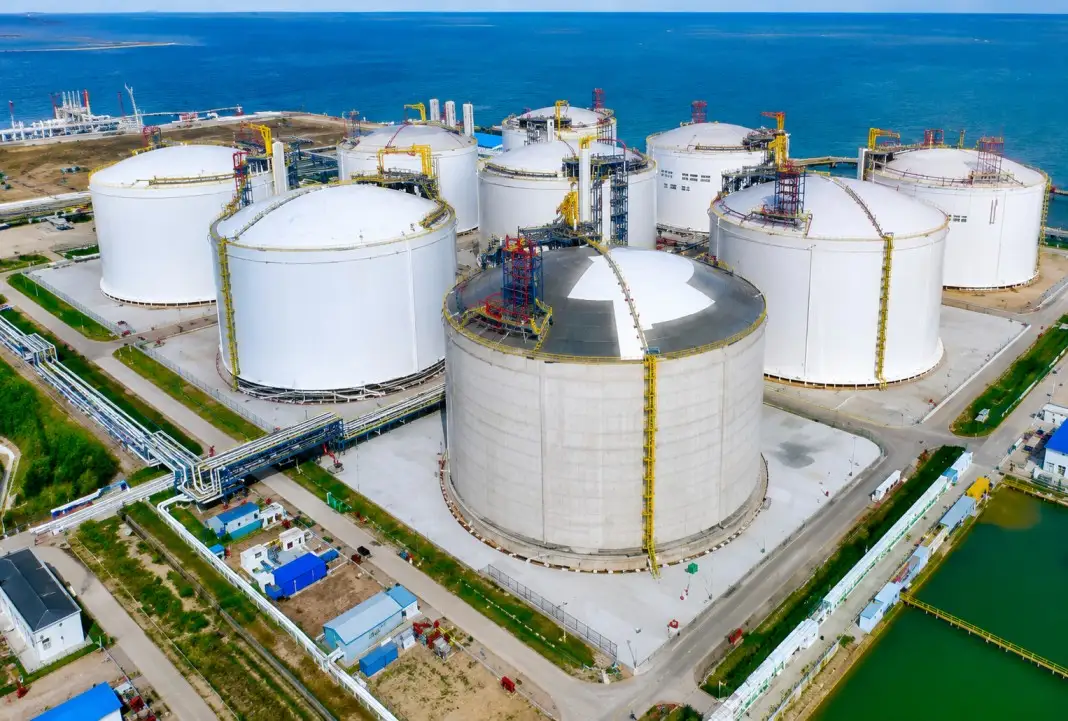
ASTM A420 WPL6. Certified for cryogenic and sub-zero service at LNG import/export terminals, cold-box assemblies, and low-temperature pipeline systems.
Aluminum
ASTM B361 WP6061. Lightweight, non-sparking reducers for marine instrumentation, chemical transfer systems, and weight-sensitive offshore and transportation applications.
Technical Specifications
| Parameter | Details |
|---|---|
| Reducer Types | Concentric, Eccentric |
| Material Grades | ASTM A234, A403, A420, B361, API 5L |
| Applicable Standards | ASME B16.9, MSS SP-75 |
| Size Range | NPS 1/2" x 3/8" through 48" x 36" (larger via fabrication) |
| Schedule / Wall | SCH 5 through SCH 160, XXS |
| End Preparation | Buttweld (BW), Socket weld (SW) |
| Surface Condition | As-formed, shot blasted, coated, galvanized, pickled & passivated |
| Manufacturing Methods | Seamless hot-formed, welded, forged, fabricated (plate-rolled) |
| Testing Capability | Hydrostatic, PMI, UT, RT, MT, PT, HIC, NACE MR0175 |
| Documentation | CMTR (EN 10204 3.1), dimensional reports, test certificates |
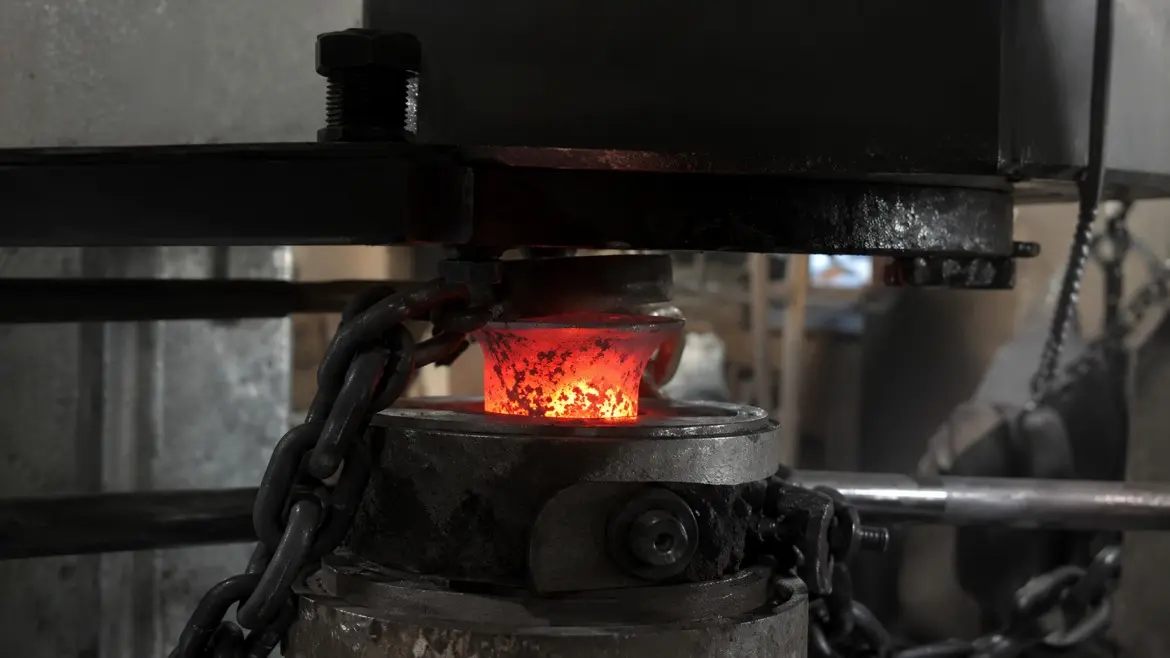
How Pipe Reducers Are Produced
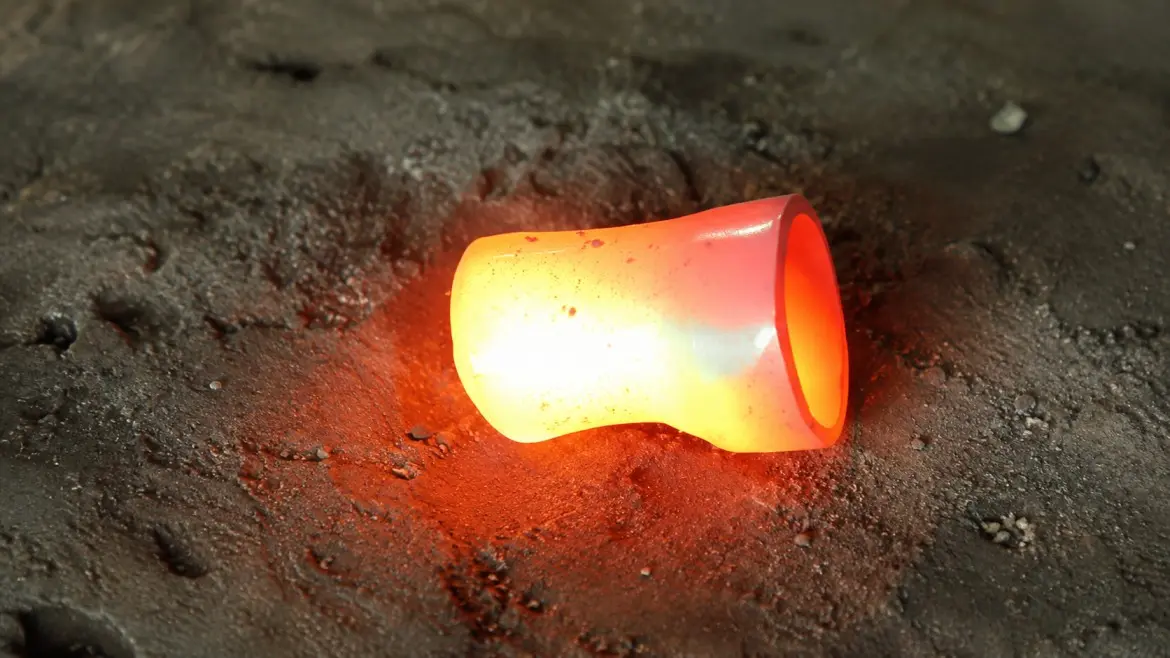
Hot Press Forming
Hot Press Forming
Die Forging
Die Forging
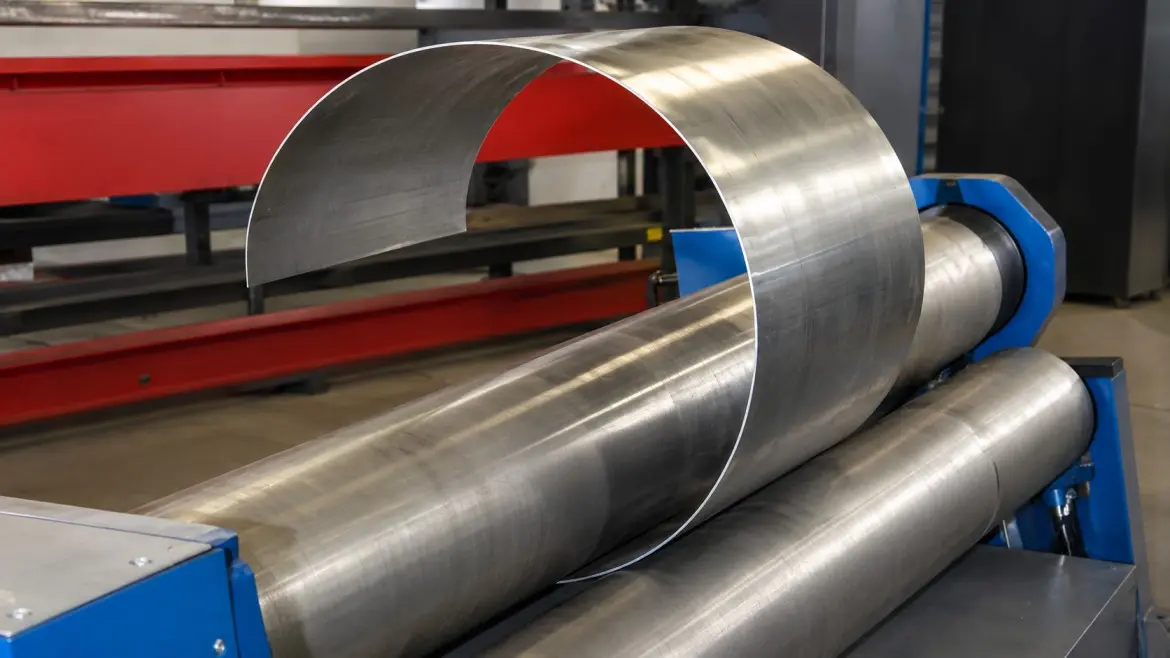
Plate Roll Fabrication
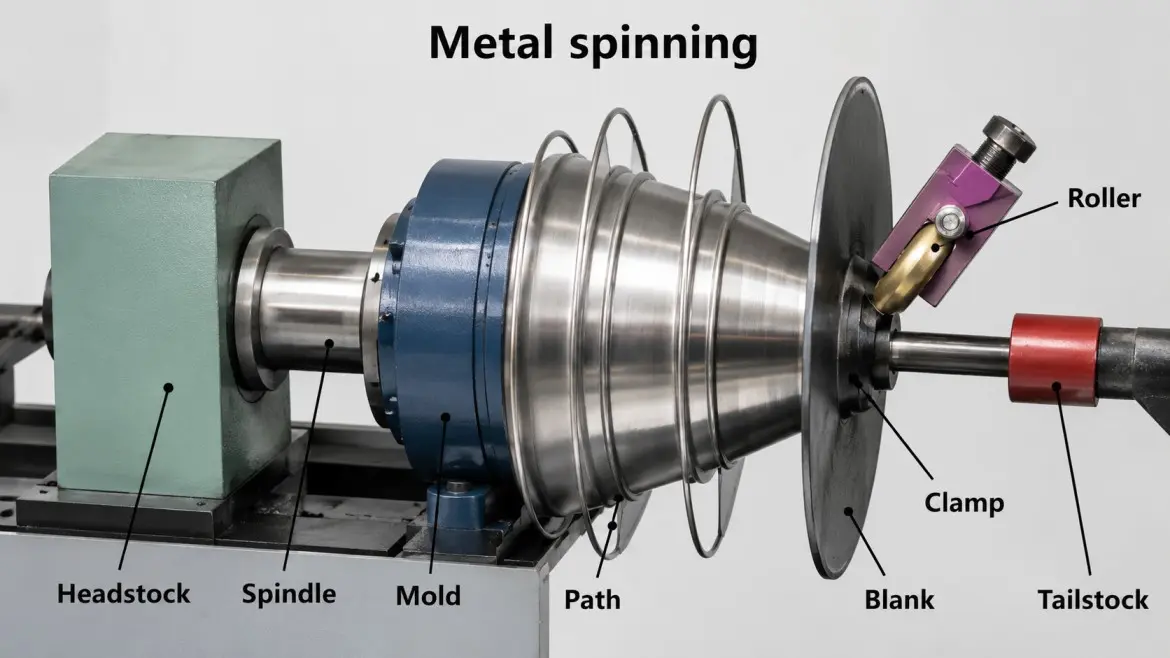
Spin Forming
Spin Forming
Industries That Rely on Pipe Reducers Across the USA
Get the Right Pipe Reducer Specification — Delivered from Houston, TX
Submit your details
- Reducer type — concentric or eccentric
- Material grade and ASTM specification
- Size — large-end NPS x small-end NPS
- Schedule and wall thickness
- Quantity and project delivery date
- Required testing and documentation scope
Why Choose TYA for Pipe Reducers?
- Houston, Texas-Based — US logistics and project support
- Concentric and Eccentric — both types from a single source
- Full ASTM and API Grade Coverage — carbon steel through super duplex
- NPS 1/2" to 48"+ — standard and fabricated large-bore sizes
- ASME B16.9 Dimensional Compliance — pressure-rated and verified
- Complete CMTR and Test Package on Every Shipment
- ISO 9001 Certified Manufacturing
- 48-Hour RFQ Response — specification to quotation, fast
FAQ for Customer
- All reducers comply with ASME B16.9, with material conformance to ASTM A234, A403, A420, and API 5L as applicable.
- Yes. TYA manufactures custom reducers including non-standard size combinations, special wall thicknesses, oversized diameters beyond 48", and material grades outside standard catalogue scope. Share your drawing for a quotation.
- Every order includes CMTR (EN 10204 3.1), dimensional inspection reports, and applicable test certificates including hydrostatic, PMI, UT, RT, and HIC as required by the project specification.
- Yes. TYA is headquartered in Houston, Texas, and ships pipe reducers to pipeline contractors, EPC firms, and industrial fabricators across all 50 states.
- Provide reducer type (concentric or eccentric), material grade, large-end x small-end NPS, schedule, quantity, and applicable standards via the Get In Touch form or email contact@tyallc.com.